20
Jan
The Ultimate Guide to Security Systems in Singapore: Securing Your Home & Business
In a fast-paced city like Singapore, peace of mind for your home — whether it’s an HDB, condo, or landed property — or your business is priceless. Protecting your property today involves far more than installing a good lock. With modern threats, sophisticated break-ins, and the growing need for digital monitoring, comprehensive protection has become essential.
That is where a well-designed security system Singapore setup comes in. More than a single device, it’s an integrated network of alarms, smart cameras, and controls that work together to safeguard the people and assets you value most. Whether you’re looking for a home security alarm system, an advanced access control setup, or a fully managed solution from the best alarm system company, this guide will walk you through everything you need to know.
Why a Complete Security System is Non-Negotiable in Singapore
The Local Context: Understanding Property Safety in Singapore
While Singapore is known for low crime rates, securing your property is still a priority for many homeowners and business owners. HDB flats, condominiums, and landed homes each have different layouts and vulnerabilities, and a complete security system in Singapore brings the peace of mind that your family and belongings are safe at all times.
Businesses also benefit greatly from a robust system — from protecting inventory and on-site equipment to ensuring staff safety and managing entry access to sensitive areas.
Beyond Burglary: The “3 Pillars” of Modern Security Systems
Today’s security goes beyond deterring intruders. A modern setup generally consists of:
- Intrusion Detection (Alarms) — Detects unauthorised entry Alarm systems act as your first line of defence by identifying forced entry or suspicious movement. When triggered, they alert you or a monitoring team so action can be taken immediately.
- Access Control (Gates/Doors) — Determines who can enter and when Access control systems manage and record entry into your property. They ensure only authorised individuals can enter specific areas, improving safety and accountability.
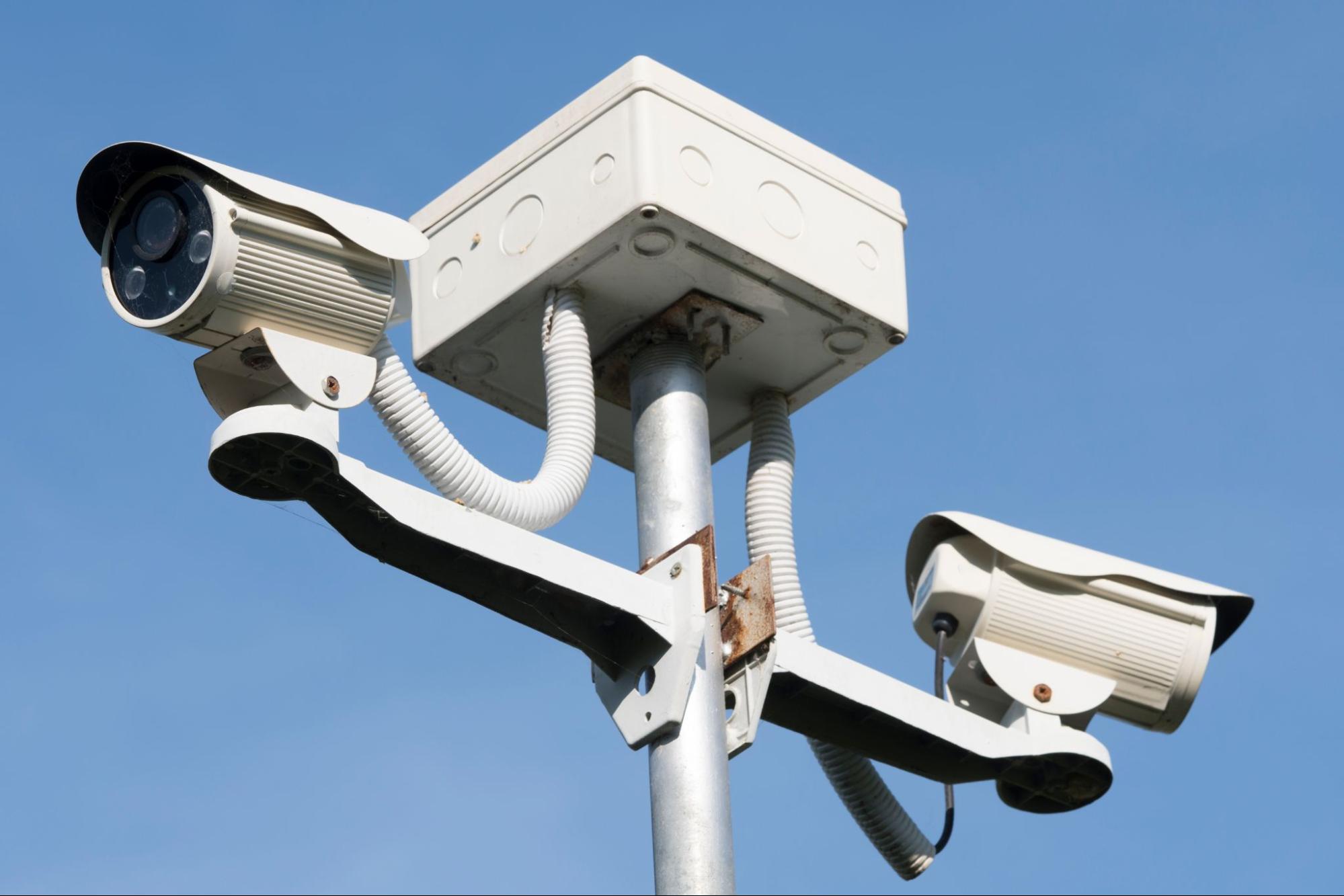
- Surveillance (CCTV) — Provides visibility and evidence CCTV cameras give you real-time visibility over key areas of your property. They help deter unwanted activity and provide recorded footage that can be crucial for investigations or evidence.
Together, these pillars form a comprehensive and integrated security system Singapore solution.
How a Good Security Alarm System Singapore Can Lower Insurance Premiums
A well-installed security alarm system Singapore setup doesn’t just safeguard your property — it can also lead to real financial benefits. Many insurers in Singapore offer reduced premiums for homes and businesses equipped with certified, professionally installed alarm systems. The logic is simple: the lower the risk of theft or break-ins, the lower the chances of an insurance claim.
By investing in a reliable alarm system with features such as 24/7 monitoring, motion detection, and tamper alerts, you demonstrate a commitment to proactive protection. Insurers view this favourably as it reduces your risk profile. In some cases, having a system that complies with recognised security standards or is installed by an approved provider may qualify you for additional deductions.
Over time, these savings can offset part of your initial installation costs, making a strong alarm system not only a safety measure but also a smart financial decision.
Pillar 1: Intrusion Alarms (Your First Line of Defence)
Understanding Your Home Security Alarm System
Monitored vs. Unmonitored Systems
A monitored home security alarm system is connected to a professional security provider that keeps watch over your property at all hours. When a sensor is triggered — whether it’s a door contact, motion detector, or tamper alert — the monitoring centre is notified instantly.
Trained operators will verify the situation and take the necessary steps, such as contacting you, dispatching security personnel, or alerting the authorities. This provides a strong layer of assurance, especially for homeowners or businesses that prefer a hands-off approach or may not always be available to respond to alerts. While monitored systems come with ongoing subscription fees, the convenience and immediate response can make them well worth the investment.
On the other hand, unmonitored alarm systems operate without a third-party monitoring provider. When triggered, they emit loud sirens or send push notifications to your mobile device, leaving the responsibility of checking and responding to the alert entirely with you. These systems are more affordable upfront and have no monthly fees, making them appealing for smaller homes or users who prefer to manage their own security.
However, the trade-off is that you must be ready to act quickly — whether you’re at home, at work, or overseas. For some property owners, this level of involvement is manageable, but for others, it may introduce delays during emergencies.
Wired vs. Wireless Systems
- Wired systems: Known for stability and long-term durability, but require more complex installation.
- Wireless systems: Easier to install and flexible in layout, ideal for homes that want minimal drilling or renovation.
Key Components of an Effective Security Alarm System
A strong security alarm system Singapore setup typically includes:
- Control Panel – The “brain” that connects and manages all devices.
- Motion Sensors (PIR, Microwave) – Detects movement in protected areas.
- Door & Window Contacts – Also known as door contact sensors, they detect openings.
- Sirens and Strobes – Loud alerts and flashing lights to deter intruders.
Spotlight on Reliable Brands: Why We Trust DSC Security Alarm System
DSC is a globally recognised brand known for durable hardware, scalable configurations, and reliable performance. Their systems integrate seamlessly with modern smart home setups and advanced monitoring platforms.
Pillar 2: Mastering Access Control Systems
What is an Access Control System? (Moving Beyond the Traditional Key)
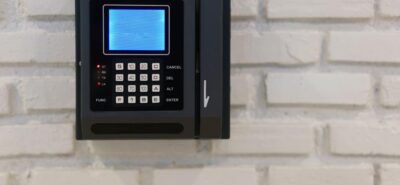
An access control system manages who is allowed to enter a property or specific areas within it. Instead of relying on physical keys — which are easy to lose or copy — digital access enables secure, trackable, and flexible control.
Comparing Your Options: Biometric vs. Key Card vs. PIN Access Control
Biometric Fingerprint Access Control System
- High security and accuracy
- No keys or cards to misplace
- Higher upfront cost, but excellent for sensitive areas
Key Access Control Systems (Card/Fob)
- Cost-effective and easy to manage
- Simple card replacement
- Risk of lost or borrowed cards
PIN Code Systems
- Convenient and affordable
- Risk of code sharing if not managed properly
Essential Hardware for Access Control Systems
- Readers – Biometric, card, or PIN readers authenticate users.
- Electronic Locks – Options like the electric drop bolt secure doors with strong holding force.
- Control Panels & Software – The system’s backend for managing access levels, schedules, and logs.
Pillar 3: Total Visibility with Smart CCTV Cameras
Smart CCTV Camera vs. Old “WiFi Cameras”: What’s the Difference?
Basic wifi camera models offer live viewing, but modern smart CCTV camera systems take it much further. Smart systems include:
- AI-based human and vehicle detection
- Real-time mobile alerts
- Better stability and clearer footage
- Integration with alarms and access systems
Must-Have Features for Smart CCTV Camera Outdoor Use
For outdoor monitoring, look for:
- Weatherproofing – IP66/67 ratings for rain and humidity
- Night Vision – Infrared or full-colour night vision
- Resolution – 1080p for general use, 4K for detail-critical properties
Storage Solutions: Local (SD Card/NVR) vs. Cloud Storage for CCTV
- Local storage: SD cards or NVRs offer predictable costs.
- Cloud storage: Remote access and off-site backup for added safety.
Critical Safety & Entry Systems
Screening Visitors: The Modern Intercom System Singapore
A reliable intercom system in Singapore helps you verify visitors before granting access.
- Audio-only systems (2 way intercom system) let you speak with visitors.
- Video intercoms (door phone intercom system) allow visual confirmation for higher security.
Fire Safety & Emergency Exits: A Legal Requirement
Emergency systems are crucial in every property:
- Break glass emergency/emergency break glass devices allow immediate exit during fire incidents.
- Electromagnetic Door Holders or Magnetic Door Holders systems keep doors open for daily convenience and automatically release when the fire alarm is activated.
Convenient Exits: When to Use an Outdoor Push-to-Exit Button
An outdoor push-to-exit button provides a simple, secure one-way exit while still keeping the area protected from unauthorised entry.
Specialised Security: Body Worn Cameras
When to Use a Body Worn Camera
Ideal for security guards, estate officers, and property managers, body worn cameras support:
- Accountability
- Evidence documentation
- De-escalation during conflicts
Key Features for Body Camera Singapore Solutions
For a reliable body camera Singapore setup, consider:
- Long battery life for extended shifts
- High-definition footage
- Secure data management and storage options
How to Choose the Best Alarm System Company in Singapore
Checklist: 7 Questions to Ask Any Security Provider
- Are you licensed by the Singapore Police Force (SPF)?
- Do you offer 24/7 technical support?
- Is your monitoring done in-house or outsourced?
- What warranty do you offer for hardware and installation?
- Can your systems integrate together (e.g., alarm triggers CCTV)?
- Are your solutions scalable as my needs grow?
- Do you have case studies or testimonials for similar properties?
Red Flags to Watch Out For When Choosing a Security Provider
- High-pressure sales tactics Be cautious of companies that push you to make quick decisions or commit on the spot. Reliable security providers give you time to review options and make informed choices without pressure.
- Vague contracts or hidden monthly fees If the contract lacks clear terms or the pricing structure feels unclear, it’s a sign to proceed carefully. Hidden monitoring fees or unclear exclusions can lead to unexpected costs later on.
- No physical office or local support team A trustworthy security provider should have a registered office and a responsive local support team. Without these, you may face delays in maintenance, troubleshooting, or emergency assistance.
Conclusion: Your Roadmap to a Secure Singapore Property
A complete security system Singapore approach combines intrusion alarms, access control, CCTV surveillance, and essential safety devices to create total protection. It’s not about a single product but a unified system working together to safeguard your home or business.
Feeling overwhelmed? Don’t leave your safety to chance.