20
Jan
5 Signs Your Old Home Security Alarm System Needs an Upgrade
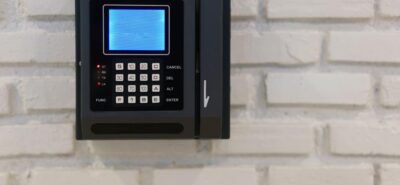
Your old, beige alarm keypad has been on the wall for as long as you can remember.
You arm it every night. But is that ageing technology truly protecting your family — or simply giving you a false sense of security?
Like all technology, alarm systems age. Components wear out, software becomes outdated, and older systems lack the advanced features that define modern safety.
What once felt cutting-edge may now be putting your home at risk without you realising it.
Don’t wait for a break-in to discover that your system has failed you.
Here are five clear signs it’s time to upgrade your home security alarm system.
Sign 1: You’re Dreading the “Cry Wolf” (Constant False Alarms)
The Problem
Your alarm goes off when the cat strolls past the hallway, when a lightning strike rattles the windows, or sometimes for absolutely no reason at all.
These random triggers happen because older sensors lose calibration over time or were never designed to distinguish between everyday movement and real threats.
As the system ages, wires loosen, components degrade, and the processor struggles to interpret signals accurately.
What you end up with is an alarm that behaves unpredictably — and unpredictability is the opposite of security.
Why It’s Bad
- It disturbs your neighbours (and your own household).
- You may face fines for unnecessary emergency dispatches.
- The biggest danger: everyone starts ignoring the alarm — exactly what a burglar hopes for.
The Modern Solution
Newer home security alarm system designs dramatically reduce false alarms through:
- Pet-immune motion sensors
- More reliable wireless door contact sensors
- Intelligent programming that filters out non-threatening movements and noise
If false alarms are becoming part of your weekly routine, your system is overdue for replacement.
Sign 2: Your System Relies on a Landline
The Problem
Your alarm system still uses a landline to call the monitoring centre, a method that was standard decades ago, long before today’s digital threats.
Landline-based systems depend entirely on a physical phone cable connected outside your home.
If that line is damaged, cut intentionally, or even disrupted during bad weather, your system loses its ability to communicate.
In an emergency, that means no alerts, no dispatch, and no help on the way.
Why It’s Bad
This is a major vulnerability. Anyone with a pair of wire cutters can silence your entire system by cutting the phone line outside your home.
Burglars know this trick all too well.
The Modern Solution
Modern alarm systems use:
- Secure GSM (cellular) communication
- Broadband/IP connectivity
- Dual-path signalling for higher protection
These technologies are faster, more reliable, and crucially, cannot be taken down by cutting a cable.
Sign 3: You Can’t Control It With Your Phone
The Problem
The only way to arm or disarm your system is through the keypad near your front door.
This means you need to physically walk across the house to manage your alarm, which can be inconvenient at best and a security risk at worst.
If you forget to arm it while rushing out, there’s no way to fix it unless you drive back home.
If a family member needs access, you have to share the code, which weakens security and complicates things whenever codes need to be changed.
Why It’s Bad
- It’s inconvenient when you’re already in bed.
- You can’t let a family member or guest in remotely.
- You can’t check if you forgot to arm the system after leaving the house.
The Modern Solution
A modern home security alarm system integrates with smartphone apps that allow you to:
- Arm or disarm from anywhere
- Receive instant alerts
- Check sensor status and activity logs
- Add users or change settings without touching the keypad
This level of convenience — and awareness — is essential for today’s homes.
Sign 4: You’ve Renovated or Re-Decorated (But Your System Hasn’t)
The Problem
Older alarm systems are mostly hard-wired. If you’ve added a new room, replaced windows, or built an outdoor storage area, extending coverage requires running new cables through walls, ceilings, or floors.
This often means drilling holes, pulling wires, and patching up plaster or paint afterwards.
Not only is it messy and time-consuming, but it also limits where sensors can be placed.
As a result, new sections of your home remain unprotected simply because retrofitting is too much trouble.
Why It’s Bad
Your renovation may have created blind spots, leaving parts of your home unprotected.
The Modern Solution
Hybrid and wireless alarm systems are far more flexible:
- Add sensors without drilling
- Protect new doors, windows, and outdoor areas easily
- Place devices exactly where you need them
If you’ve upgraded your home, your alarm system should keep up — not hold you back.
Sign 5: Your Original Installer Is Gone (And Parts Are Obsolete)
The Problem
Your system may be an old or off-brand model from a company that no longer exists.
When a motion sensor fails, you can’t find a compatible replacement.
When the keypad acts up, no modern technician recognises the model or has the tools to diagnose it.
This creates a fragile system where a single broken component can compromise the entire setup.
Without access to spare parts or qualified support, you’re stuck with an alarm system that’s unreliable and increasingly unsafe.
Why It’s Bad
A single faulty part can cripple your entire security setup.
The Modern Solution
Upgrading to a professional, industry-standard brand ensures long-term support. A DSC security alarm system, for example, is widely used by installers globally, meaning:
- Spare parts are readily available
- Technicians are familiar with the equipment
- Firmware and accessories continue to be updated
When reliability matters, choosing a well-supported brand makes all the difference.
Conclusion: Upgrade Your Peace of Mind, Not Just Your Keypad
If your alarm is triggering false alerts, still relies on a vulnerable landline, lacks smart features, can’t adapt to your renovated home, or depends on obsolete parts, it’s no longer doing its job.
An outdated alarm can be more dangerous than having no alarm at all because it makes you believe you’re protected when you’re not.
Protect your home with technology you can trust. Contact SecurityOne today for a free, no-obligation assessment of your current security system.